

How to Use Breathwork to Prepare for a Ketamine Therapy Session
July 16, 2026
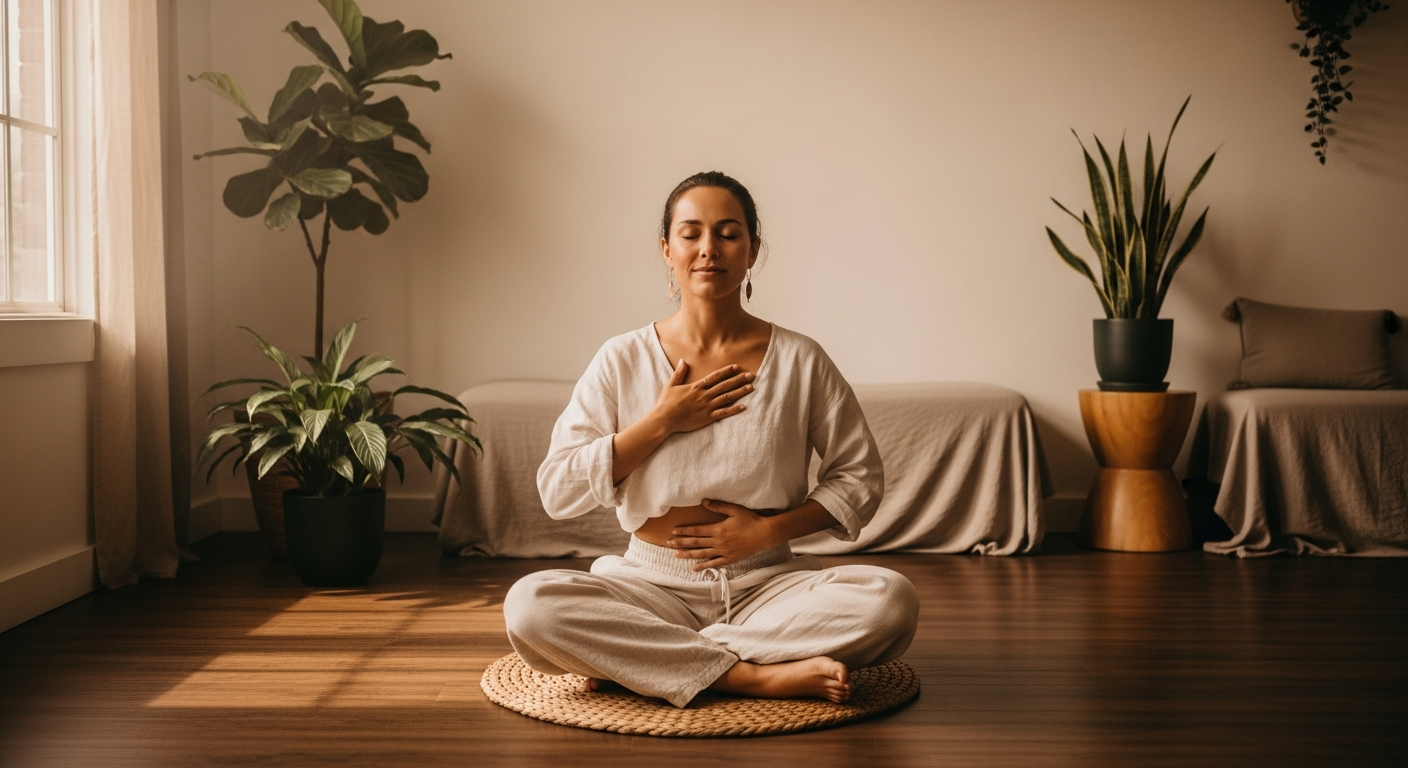
Use breathwork to get grounded before ketamine therapy. Learn calming techniques in Lakewood, CO to regulate your nervous system and prepare safely.
Calming Your System Before Ketamine Work
Preparing your nervous system before ketamine-assisted psychotherapy is one of the kindest things you can do for yourself. When your body feels relatively safe and grounded, it is easier to meet whatever arises in a ketamine session with curiosity instead of fear. A calmer system can reduce pre-session anxiety, support a stronger sense of safety with your therapist, and open the door to deeper insight.
At Ayumind in Lakewood, Colorado, we view breathwork as a practical bridge between mind and body. Conscious breathing aligns naturally with an integrative, Ayurvedic perspective, where the breath is a key pathway for balancing energy, easing tension, and supporting trauma-informed care. In this article, we will share a step-by-step guide to using breathwork before, during, and after ketamine work, and how guided breathwork sessions in Lakewood, Colorado can support you in preparing for this powerful therapeutic process.
How Ketamine and Breathwork Support Healing Together
In ketamine-assisted psychotherapy, ketamine is used in a therapeutic setting, alongside skilled support, to create a temporary altered state of consciousness. People often describe feeling more spacious inside, more open to memories or emotions, or less stuck in rigid thought patterns. This state can support emotional processing and may help the brain access new pathways for learning and change.
Breathwork works on a different but complementary level. Slow, conscious breathing can signal the parasympathetic nervous system, the part of the body that helps us rest and digest. This kind of breathing can help regulate heart rate, relax muscles, and bring in a sense of inner steadiness. When the breath slows, the mind often softens too, which is especially helpful when working with trauma or deep emotional material.
When we combine ketamine with mindful breathwork, we create a supportive container around the altered state. The breath becomes a steady thread that you can follow if emotions intensify or if you feel disoriented. From our perspective at Ayumind, this honors the mind-body-spirit connection: ketamine may open the door to insight, and the breath helps you stay present with what you discover.
Getting Ready with Mind, Body, and Space Preparation
Preparation starts well before you sit down for your ketamine session. The day and hours beforehand, simple choices can make a big difference. Aim for light, nourishing meals that are easy to digest, steady hydration with water or herbal teas, and limited caffeine and alcohol so your nervous system is not already overstimulated or dulled. Gentle movement, like walking or soft yoga, can help release surface tension, and adequate sleep supports resilience for the inner work ahead.
The space you are in matters too, whether you are in a clinic room or settling in at home for part of your process. You might consider:
- Comfortable, loose clothing
- Warm layers or a blanket so your body can relax
- Low or soft lighting to reduce overstimulation
- Calming, instrumental music if it feels supportive
- Meaningful objects, such as a small item from nature or something that reflects your Ayurvedic or spiritual practices
As you arrange your space, begin to shape an intention. This could be a word, a phrase, or a gentle question, such as what you are ready to explore or release. Take a few slow, grounded breaths while you journal or quietly reflect. Let the breath help you sense what truly matters to you for this session.
Foundational Breathing Practices to Use Before Ketamine
Before your ketamine session, it can help to practice one or two simple, trauma-sensitive breathing patterns. The goal is not to force a particular state, but to give your system a steady rhythm to lean on.
One practice is extended exhale breathing:
- Sit or lie down comfortably, with your spine supported.
- Inhale through your nose for a count of 3 or 4.
- Exhale slowly through your mouth for a count of 5 or 6, like a gentle sigh.
- Repeat for 3 to 5 minutes, resting if you feel lightheaded.
Another practice is gentle diaphragmatic belly breathing:
- Place one hand on your chest and one on your belly.
- Inhale through your nose, allowing the belly to expand slightly into your lower hand.
- Exhale through your nose or mouth, letting the belly soften back toward your spine.
- Keep the breath comfortable, not exaggerated, for about 5 to 10 minutes.
As you breathe, notice body sensations without judging them. Warmth, coolness, tingling, or emotion may arise. Remind yourself that the breath is an anchor, especially if feelings become more intense. For those with respiratory or cardiac concerns, shorten the practice, keep breaths smaller and easier, and pause as needed. In trauma-informed care, breathwork should always feel gentle, never forced.
Using Breath as an Anchor During and After the Session
During a ketamine session, your perception may shift, which can feel freeing or unfamiliar. If anxiety, confusion, or strong emotions appear, returning to simple breath cues can help. You might tell yourself, "Feel your feet, follow the exhale." Notice any point of contact with the floor or chair, then let your exhale lengthen just a little. This can remind your body that you are still here and supported.
After the session, integration is key. A short, grounding practice could look like:
- Sitting or lying quietly for a few minutes of slow, natural breathing
- Placing a hand on your heart or belly to feel the movement of each breath
- Gently journaling, sketching, or resting in silence to let insights settle
This helps weave what you experienced into your everyday life, rather than leaving it as a disconnected event. Over time, regular breath awareness, along with optional guided breathwork sessions in Lakewood, Colorado, can help future ketamine work feel safer, more grounded, and more transformative.
When Guided Breathwork Support Makes a Difference
Some people benefit especially from working with a trained breathwork practitioner before ketamine therapy. This can be helpful if you have a history of trauma, frequent panic or intense anxiety, difficulty sensing your body, or trouble self-regulating when strong feelings arise. Having someone there to pace the practice, read your cues, and adjust in the moment can make the experience feel more supportive and less overwhelming.
At an integrative clinic like Ayumind, a guided breathwork preparation session might include a brief assessment of how your body typically holds stress, customized breathing techniques that match your unique needs, and alignment with your Ayurvedic and psychotherapy goals. The emphasis is on listening to your system, not forcing it, so that breathwork becomes a trusted resource you can call on during ketamine-assisted psychotherapy.
By weaving breathwork into your preparation and integration, you are honoring the whole of who you are. You are giving your mind, body, and spirit time to connect, settle, and receive the benefits of the therapeutic work ahead.
Experience Calmer, Clearer Living With Guided Breathwork Support
If you are ready to turn what you have learned in this article into real, tangible change, we invite you to explore our breathwork sessions in Lakewood, Colorado. At Ketamine Assisted Psychotherapy, we integrate conscious breath, body awareness, and trauma-informed support to help you safely move through stress, anxiety, and emotional blocks. Together, we will create a personalized plan that respects your pace and your goals. Take your next step today by scheduling a session so we can support you in feeling more grounded, present, and connected.