

Ketamine Therapy Options for Depression in Colorado
July 15, 2026
Learn how ketamine therapy for depression in Colorado can support treatment-resistant symptoms, what to expect, and who may benefit at Ayumind in Lakewood.
Finding Hope When Nothing Else Has Helped
Living with depression that will not lift, even after medications and years of therapy, can feel exhausting and lonely. You may be doing everything you have been told to do, yet still wake up heavy, numb, or overwhelmed. When that happens, it is natural to wonder if there is anything left to try, or if relief is even possible for you.
Ketamine therapy is emerging as one option for people in this situation, including many seeking ketamine therapy for depression in Colorado. At Ayumind, in Lakewood, we pair this medicine with psychotherapy and holistic care to create a gentler, more relational experience. In this article, we will walk through what treatment-resistant depression means, how ketamine works, why we combine it with therapy and Ayurveda, and what care at a women-owned, integrative clinic can feel like.
Understanding Treatment Resistant Depression and Whole Person Care
Treatment-resistant depression usually refers to depression that has not improved after trying at least two antidepressant medications at reasonable doses, along with standard approaches like talk therapy. On paper, it can sound simple. In real life, it often looks like months or years of low mood, fatigue, brain fog, poor sleep, and difficulty feeling joy, no matter how hard you work on yourself.
Many people in this situation describe feeling stuck. They keep going to work, taking care of family, showing up for appointments, and trying different wellness tools, yet their inner world does not match the effort they are giving. Relationships can become strained, work performance can slip, and self-criticism can grow louder.
Traditional treatments can fall short for many reasons. Some nervous systems are shaped by early or chronic trauma, long-term stress, or sensitive temperaments that do not respond well to single-symptom approaches. Medication can sometimes ease the edges of mood symptoms but not touch deeper layers of grief, shame, or stored survival responses in the body.
At Ayumind, we see depression as something that lives not just in the mind but also in the body, nervous system, and even in daily rhythms. Whole-person care asks about sleep, digestion, energy patterns, relationships, and the stories your body carries. This is where integrative approaches that include Classical Ayurveda and trauma-informed psychotherapy can support the ground in which ketamine work happens.
How Ketamine Works and Why It Opens a Window of Possibility
Ketamine is a medicine that has been used in medical settings for many years. In the context of depression, it works differently than common antidepressants. Instead of focusing mainly on serotonin, ketamine interacts with glutamate and NMDA receptors, which are involved in how the brain communicates and forms new connections. This can support neuroplasticity, the brain's ability to change and create new pathways.
One of the most striking aspects of ketamine for depression is how quickly some people notice a shift. While traditional antidepressants may take weeks to show an effect, ketamine can, for some, create relief from hopelessness or suicidal thinking within a much shorter window. This does not mean it is a magic fix, but it can interrupt very dark cycles long enough to reconnect with motivation and inner resources.
During a ketamine session, familiar thought loops and defensive patterns can temporarily soften. The usual inner narrator might quiet down, and the sense of being stuck can loosen. This can allow you and your therapist to gently approach emotions, memories, or perspectives that are often hard to reach in ordinary states of consciousness.
Safety is a key part of this work. Ketamine has a long medical history, but the way it is given, the dose, and the support around it matter a great deal. Common temporary effects during a session can include changes in vision or body sensations, shifts in time perception, or feeling more spacious or dreamlike. In a supportive, monitored setting, these experiences can be held with care and intention.
Why We Pair Ketamine with Psychotherapy and Holistic Support
Ketamine-assisted psychotherapy, or KAP, means that ketamine is not treated as a stand-alone medical procedure but as part of a structured therapeutic process. Before any medicine is given, we spend time getting to know you, clarifying your history, and exploring your intentions for the work.
Psychotherapy before, during, and after sessions helps in several ways:
- Preparing emotionally and practically for the experience
- Clarifying intentions and what you hope might shift
- Staying grounded and supported while the medicine is active
- Making meaning of images, feelings, and insights afterward
- Translating those insights into real changes in daily life
At Ayumind, we weave in Classical Ayurveda, somatic and trauma-informed psychotherapy, mindfulness, and nervous system support around ketamine work. Ayurveda brings attention to your unique constitution, daily routines, diet, and lifestyle patterns that can support mood stability. Somatic therapy invites you to track sensations and body cues, which can be especially important when working with altered states.
Many of the people we serve are women, survivors of trauma, or highly sensitive individuals who need treatment that feels relational and respectful, not mechanical or rushed. A gentle, heart-centered environment can help ketamine experiences feel less overwhelming and more like a supported inner exploration.
What Ketamine Therapy at a Holistic Clinic Can Feel Like
If you are considering ketamine therapy for depression in Colorado, it is natural to wonder what the process might actually look like. At our clinic in Lakewood, it usually begins with an in-depth consultation. We review your medical and psychological history, medications, and life context to make sure ketamine is a safe and appropriate option. Together, we talk about your goals and design a care plan that may include preparation sessions, ketamine sessions, and integration work.
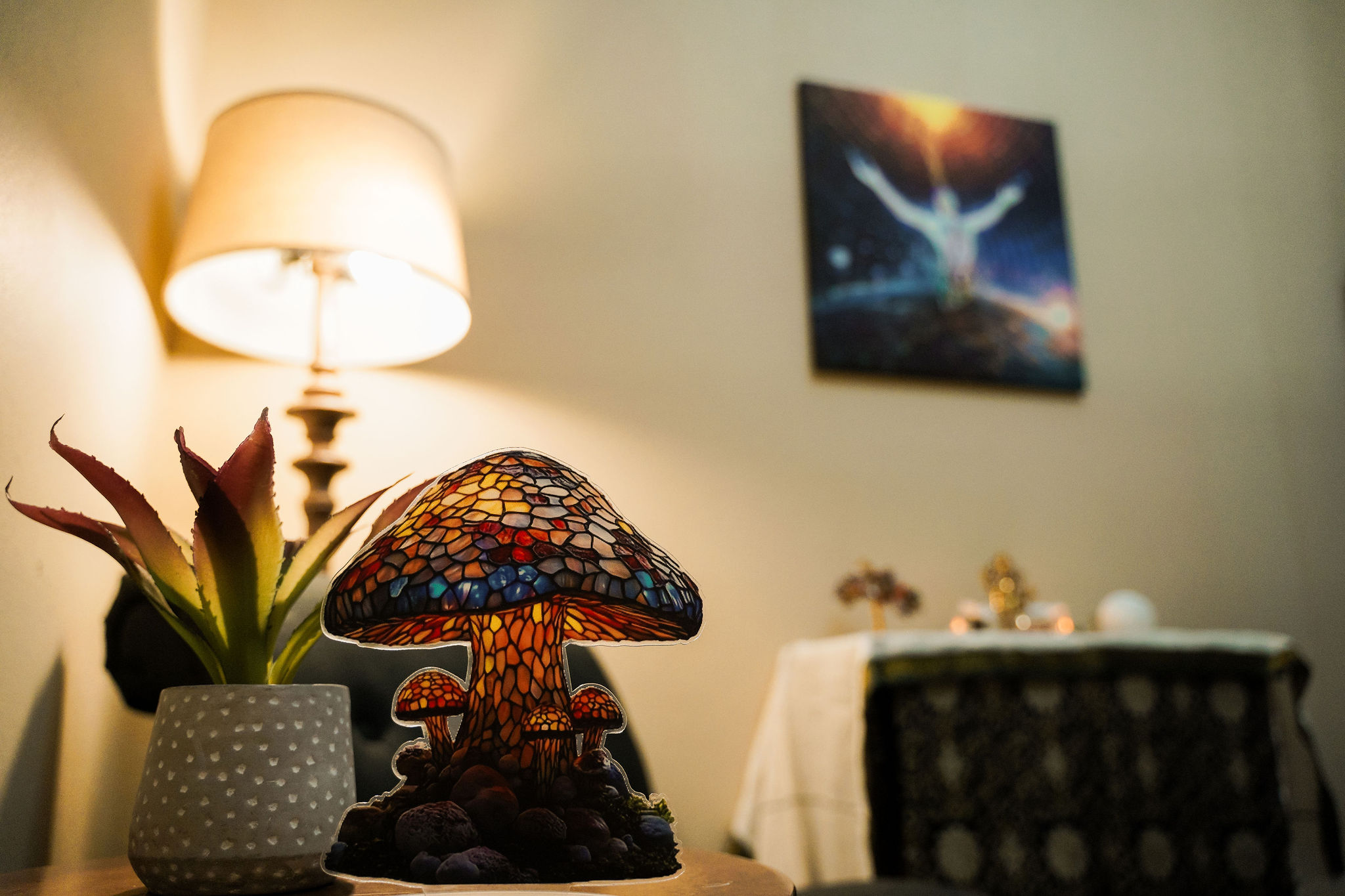
When it is time for a ketamine session, the setting is intentionally cozy and calm. You are not left alone with the medicine. A clinician stays present and attentive, and we may offer tools like music, breath awareness, grounding techniques, or gentle somatic cues to support your process. You might rest in a recliner, use an eye mask, and allow your attention to turn inward.
A typical session often has a beginning phase where sensations start to shift, a peak where the experience feels most vivid or spacious, and a gradual return to everyday awareness. Throughout, we encourage a stance of curiosity and compassion toward whatever arises, whether it is emotional release, memories, insights, or simple rest.
After the medicine session, integration is where much of the lasting change can grow. Integration can involve therapy sessions, journaling, art, movement, or simple conversations that help you link your experience to patterns in your life. Ayurvedic and lifestyle suggestions, such as supportive sleep routines, nourishment, and daily grounding practices, can help your nervous system settle into new patterns instead of snapping back to old grooves.
During a consultation with any potential provider, it can help to ask:
- How do you approach preparation and integration sessions?
- What kinds of support are available during ketamine dosing?
- How do you tailor care for trauma histories or high sensitivity?
- How do you bring in holistic or body-based practices, if at all?
- How do you respect cultural, spiritual, and personal values in treatment?
In Colorado, people can access ketamine in different ways, such as in clinics or sometimes in at-home formats. For those with trauma histories or significant depression, many find that an in-person, trauma-informed setting offers the kind of real-time, relational support that feels safest. Local care also makes it easier to connect with ongoing psychotherapy and integrative services before and after sessions instead of feeling like the medicine work is an isolated event.
Considering ketamine therapy after years of feeling let down by treatment is an act of courage. You do not have to know yet whether it is right for you. Our hope is that by understanding how ketamine works, why we pair it with psychotherapy and Ayurveda, and what holistic care can look like in Colorado, you feel more informed and a little less alone as you explore your options.
Take The Next Step Toward Lasting Relief From Depression
If you are ready to explore new possibilities for healing, we are here to guide you through each step of the process. At Ketamine Assisted Psychotherapy, our experienced team offers personalized care centered on safety, evidence-informed practice, and genuine human connection. Learn how our approach to ketamine therapy for depression in Colorado can help you move beyond symptom management toward meaningful, sustainable change. Reach out today to start a confidential conversation about whether this treatment may be right for you.