Site under construction. Some pages are still being built.

Two Distinct Eight-Week Virtual Groups | Beginning January 2027

Integrative Behavioral Health Groups

Explore the Patterns That Shape Your Life—and Practice New Ways of Responding Through Group Psychotherapy and Mind-Body Approaches

Find your group

Eight weeks · Live online · Mountain Time

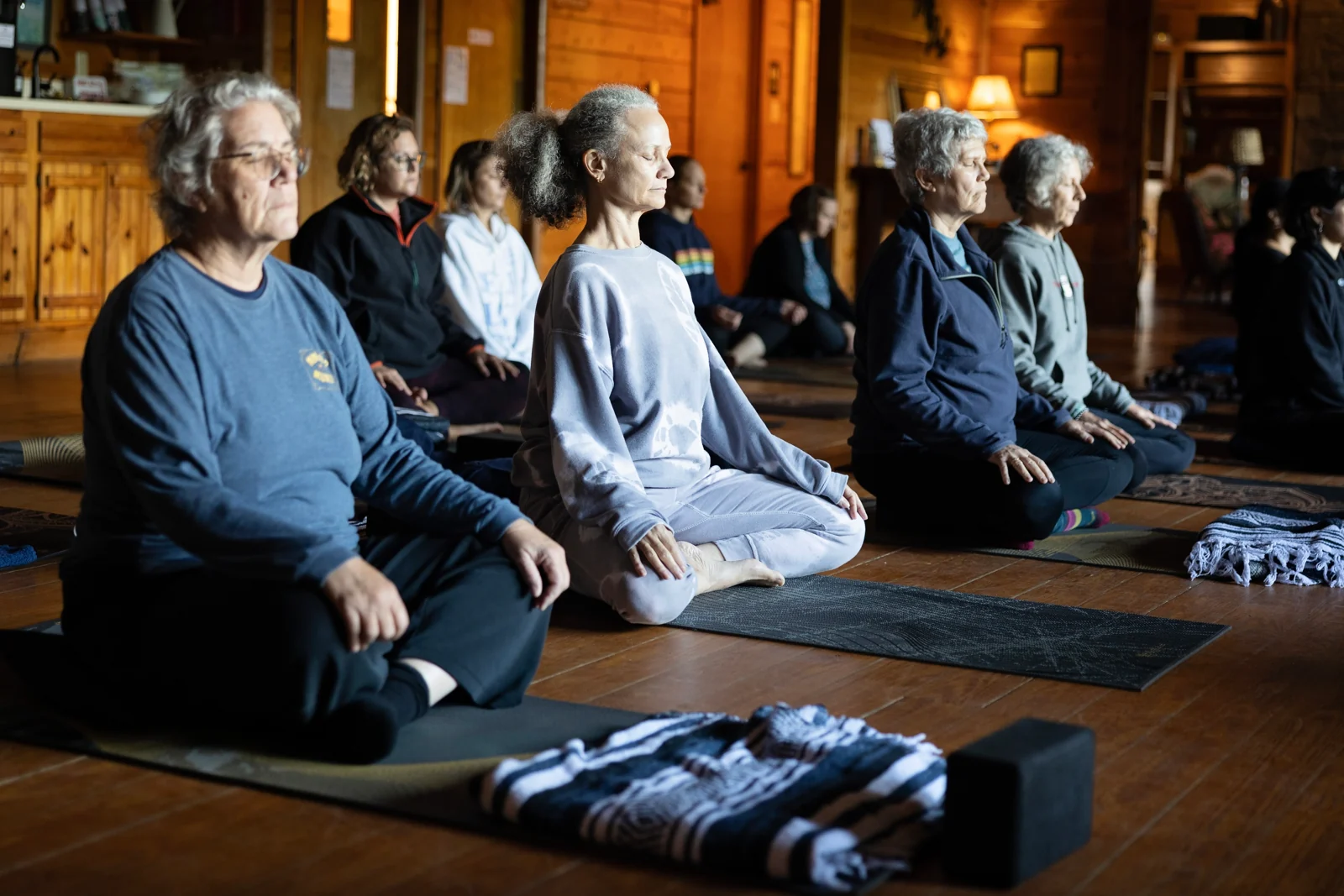
Adults seated together in meditation in a warm, wood-lined room
Connection, reflection, and shared practice. Photograph illustrates a mind-body practice; offerings take place online.

Understanding, practice, and connection

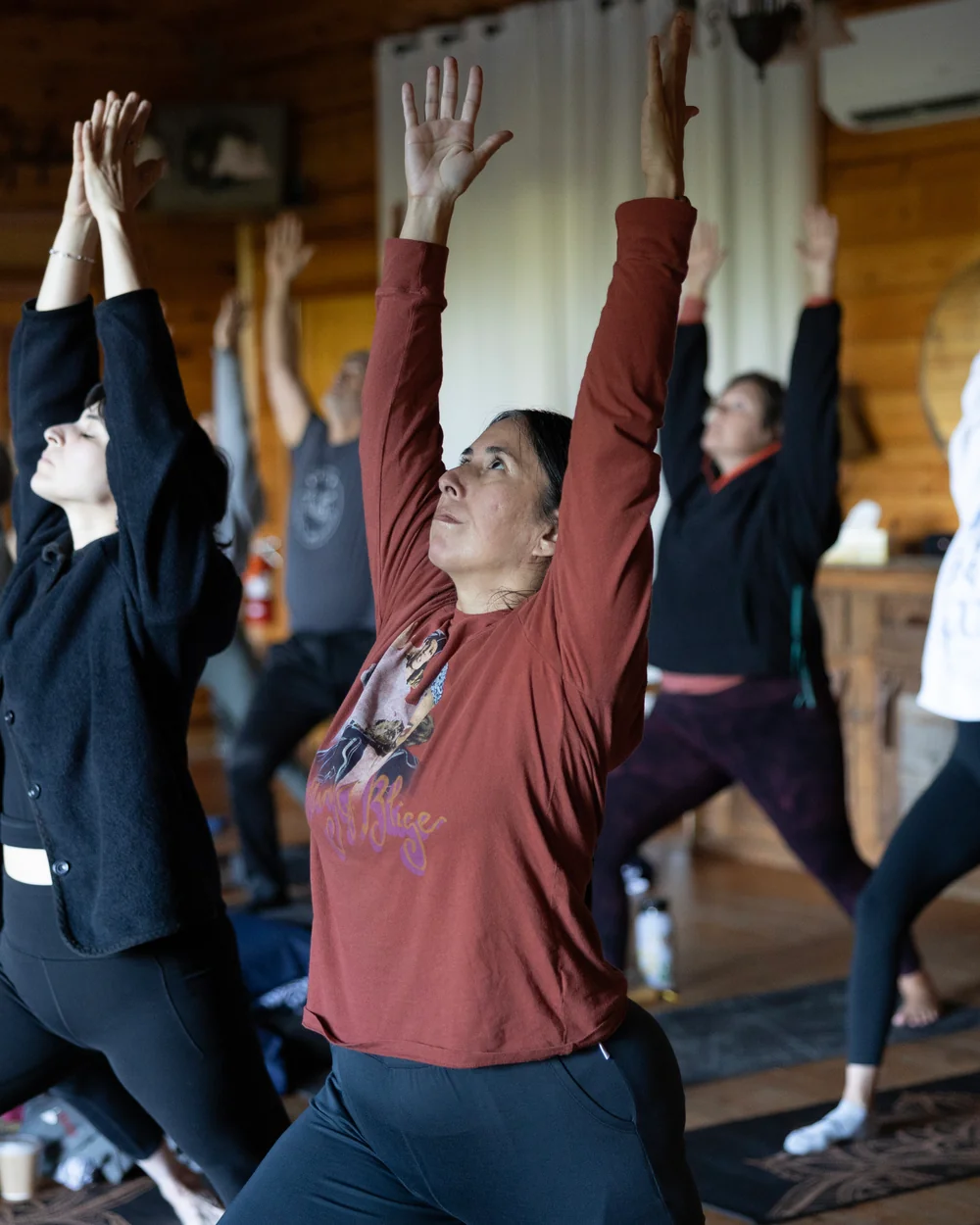
Participants moving together with arms raised during a group yoga practice

At Ayumind, we bring together clinical group psychotherapy, nervous system education, and embodied mind-body practices to support meaningful, sustainable change.

Our groups combine therapeutic exploration with practical experiences—including breathing techniques, mindful movement, meditation, and body awareness—to help participants deepen self-understanding and develop new ways of responding to life's challenges.

We also recognize the power of connection. There is something meaningful about gathering consistently with people who share similar experiences, challenges, and hopes for change. Within a supportive group, participants can recognize common patterns, learn from different perspectives, and discover that they don't have to navigate these experiences alone.

Each group is intentionally small and personalized, creating space for meaningful relationships, individualized attention, and deeper therapeutic work.

Find the Group That's Right for You

Women 40+

Women 40+: Navigating Change

Exploring Identity, Relationships & Meaningful Change

Mondays, January 11 – March 1, 2027

6:00–8:00 PM Mountain Time | Eight Consecutive Weeks | Virtual

Facilitated by: Sujatha Reddy, LPC, and Maya Semans, C-IAYT

For women in their 40s and beyond who are navigating changing roles, relationships, expectations, or a growing awareness of longstanding emotional patterns.

Life changes can bring new questions about who we are, what we need, and how we want to move forward. They can also reveal familiar ways of coping, relating to others, and responding to stress that may no longer serve us.

Enrollment is not open yet.
Substance use recovery

Understanding Our Patterns: An Integrative Approach to Recovery

Strengthening Recovery Through Connection, Self-Awareness & Embodied Practices

Thursdays, January 14 – March 4, 2027

6:00–8:00 PM Mountain Time | Eight Consecutive Weeks | Virtual

Facilitated by: Evan Clark, LPCC, NMIT, and Maya Semans, C-IAYT

For adults of all genders seeking to strengthen and sustain substance use recovery while exploring the relationship between stress, emotions, and familiar coping patterns.

Recovery involves more than changing our relationship with substances. It can also involve understanding how we've learned to cope with stress, navigate difficult emotions, and respond to life's challenges.

Enrollment is not open yet.

More Than Understanding: Putting Change Into Practice

Recognizing our patterns is an important part of therapeutic work. But change also involves how we experience emotions, respond to stress, and navigate challenges in everyday life.

Each weekly two-hour virtual session brings together two complementary approaches.

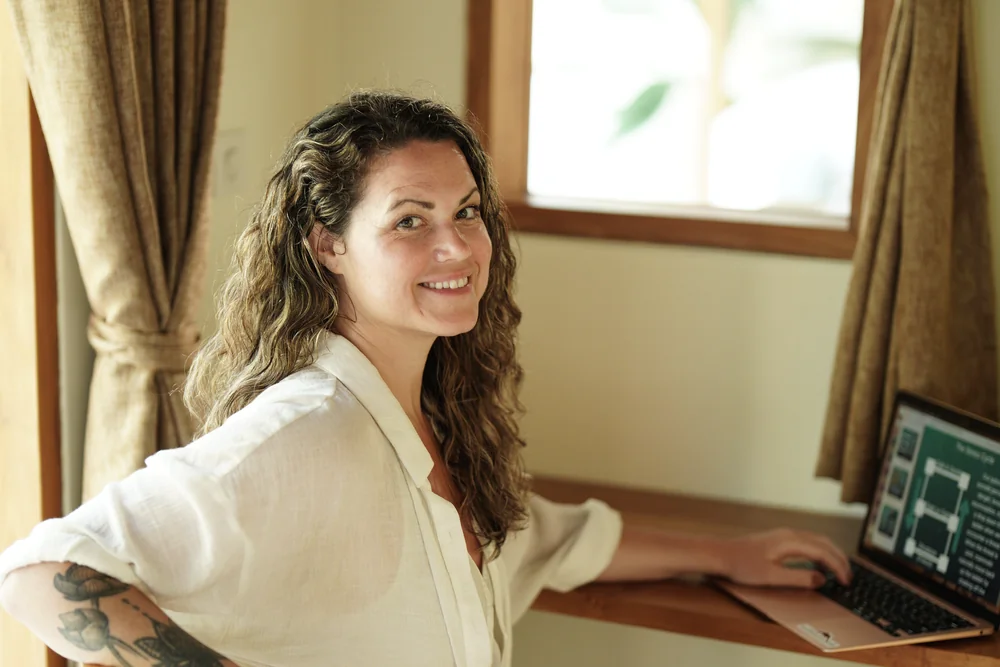
Woman seated beside a window in a light-filled room, smiling toward the viewer

Hour One: Group Psychotherapy

Led by a mental health clinician

The first hour offers a facilitated space for exploring emotional experiences, relationships, coping patterns, and the challenges participants are navigating.

Group psychotherapy creates opportunities for interpersonal learning, reflection, skill development, and meaningful connection with others.

Within the group, participants can recognize familiar patterns in real time, practice new ways of communicating, and learn through both their own experiences and those of other members.

Each group's clinical focus is tailored to its participants and their shared experiences.

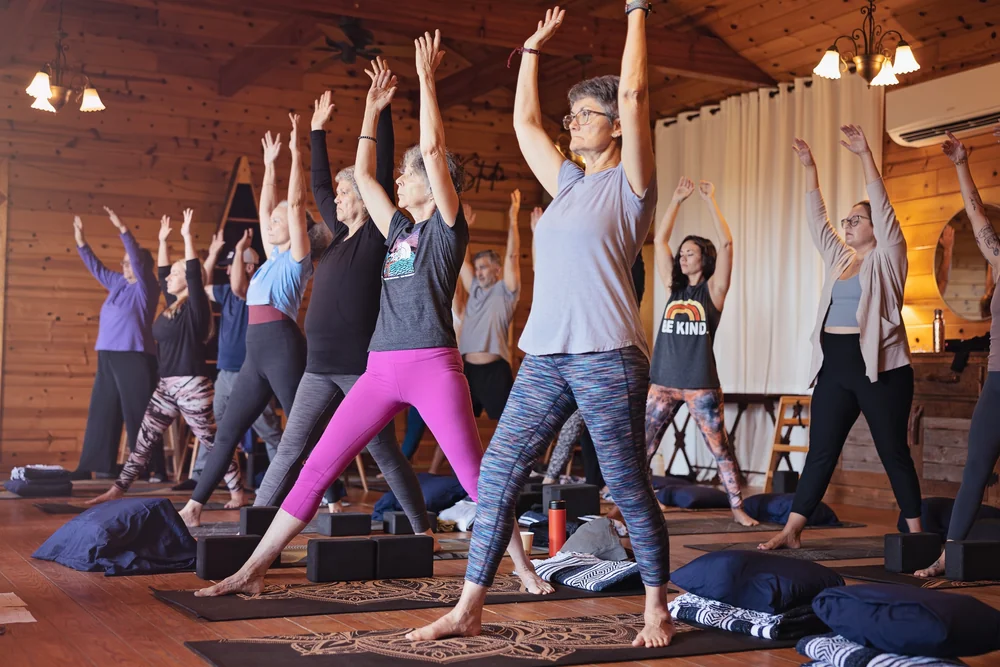
A group exploring a standing stretch together during a guided yoga practice

Hour Two: Nervous System Education & Body Integration

Led by Maya Semans, Certified Yoga Therapist (C-IAYT)

The second hour focuses on understanding the relationship between our nervous systems, emotions, physical experiences, and patterns of responding.

Participants will learn about the body's stress responses and explore practical mind-body tools that can be used beyond the group setting.

Practices may include:

  • Guided breathing techniques: Exploring accessible breathing practices that may support attention, relaxation, and responses to stress.
  • Nervous system education: Understanding stress physiology, habitual responses, and the relationship between body and mind.
  • Mindful movement: Gentle, accessible movement to develop body awareness and connection.
  • Grounding and sensory practices: Exploring ways to orient to the present moment and respond to overwhelm.
  • Meditation and mindfulness: Developing awareness of thoughts, emotions, and internal experiences.
  • Self-compassion practices: Learning to approach difficult experiences with greater understanding and care.
  • Ayurveda-informed lifestyle practices: Exploring daily rhythms, routines, and habits that can support overall well-being.

These practices are adaptable and offered with attention to each participant's needs, abilities, and comfort.

No previous experience with yoga, meditation, or breathing practices is necessary. Participation in experiential practices is always optional.

Together, psychotherapy and body integration offer complementary opportunities to understand familiar patterns, develop practical skills, and explore new ways of responding in everyday life.

The Power of the Group

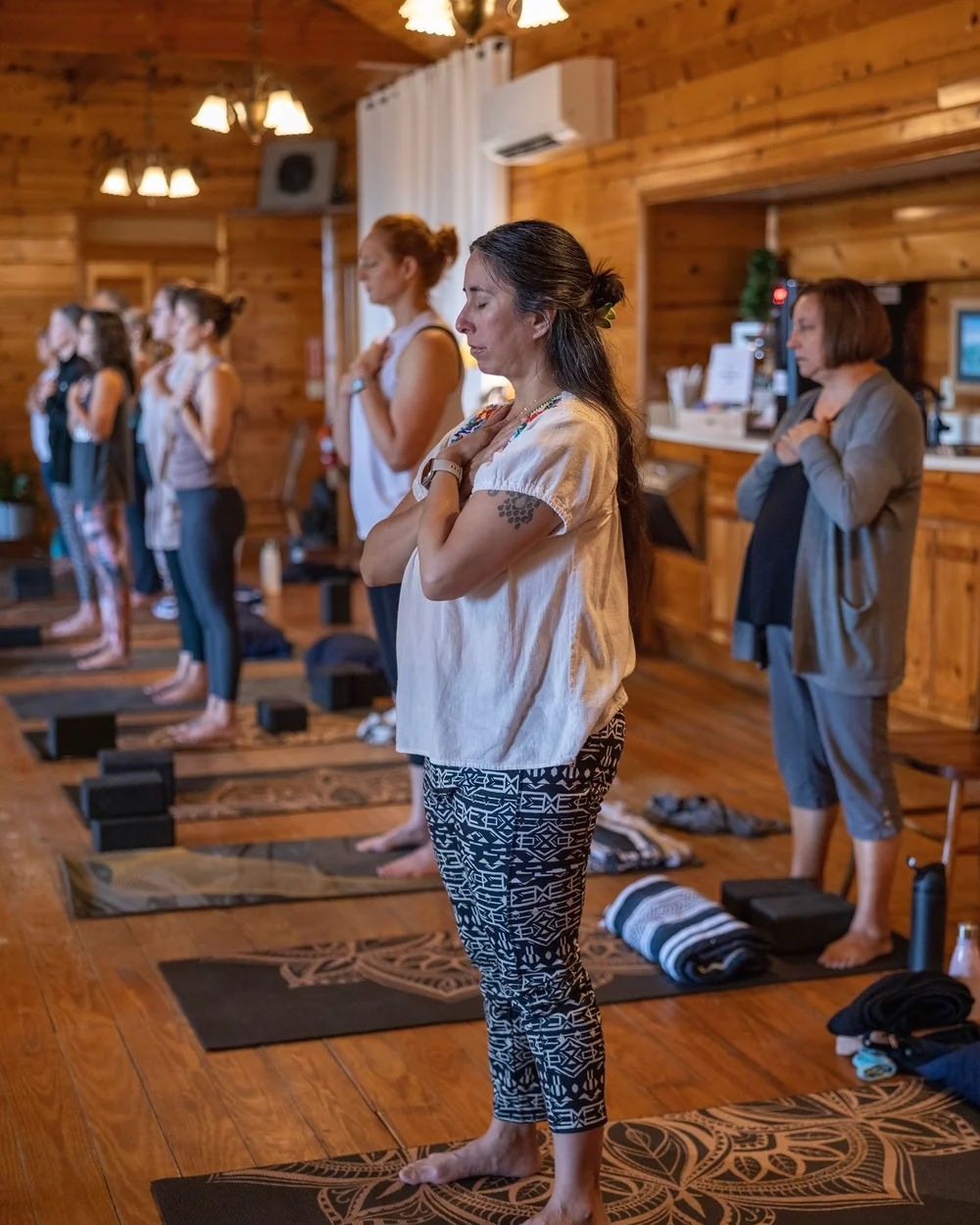
Participants standing together with hands over their hearts during a shared reflective practice

Connection Is Part of the Work

There is a unique value in engaging in therapeutic work alongside people who share similar experiences.

While each person's story is different, being part of a consistent group can create opportunities to feel understood, recognize common struggles, and learn from the perspectives of others.

Group psychotherapy also provides opportunities to explore how we relate to others in real time. Patterns involving communication, boundaries, vulnerability, and connection can become more visible within relationships—and the group itself can become a supportive place to explore new ways of responding.

Over eight consecutive weeks, participants have time to build familiarity, develop trust, and deepen their engagement with the group.

This continuity is an important part of the experience. Rather than attending isolated sessions, participants become part of a consistent therapeutic community where relationships and learning can develop over time.

Small Groups. Personalized Support.

We believe meaningful therapeutic work benefits from an environment where participants feel seen, heard, and supported.

That's why both January groups are intentionally small.

Smaller groups allow for deeper connection, individualized attention, and greater flexibility to respond to participants' experiences and needs.

Rather than offering a rigid, one-size-fits-all curriculum, our facilitators draw from clinical approaches, nervous system education, and mind-body practices, adapting the experience to the people in each group.

Following registration and payment of the $200 deposit, the Ayumind team will contact participants to coordinate an individual intake session with an Ayumind clinician.

This conversation provides an opportunity to discuss personal goals, relevant experiences, and what participants hope to gain from the group. It also helps our team determine whether the group is an appropriate fit and thoughtfully shape the experience around the needs of its members.

Program Details

Women 40+: Navigating Change

Mondays | January 11 – March 1, 2027

6:00–8:00 PM Mountain Time

Fully Virtual

Facilitated by Sujatha Reddy, LPC, and Maya Semans, C-IAYT

Understanding Our Patterns: An Integrative Approach to Recovery

Thursdays | January 14 – March 4, 2027

6:00–8:00 PM Mountain Time

Fully Virtual

Facilitated by Evan Clark, LPCC, NMIT, and Maya Semans, C-IAYT

Investment & Insurance

Duration: Eight consecutive weeks

Format: Fully virtual, intentionally small groups

Registration Deposit: $200, applied toward the final program cost, which will be confirmed after insurance verification.

Insurance eligibility and individual costs will be reviewed by our team following registration. The final program cost will be confirmed after verification.

Registration & Intake

Following registration and payment of the $200 deposit, our team will contact you to coordinate an individual intake session and verify insurance eligibility. This process allows us to learn about your goals, answer questions, and determine whether the group is an appropriate fit.

Interested but have questions? We also offer a free 15-minute consultation before registration.

View the January Groups

Registration & Payment

Enrollment is not open yet. The deposit below applies when enrollment opens. The team is finalizing the registration, intake, and payment process.

A $200 deposit is required to reserve your place in this eight-week therapeutic group.

Following registration, our team will contact you to coordinate your intake appointment and verify insurance eligibility. Your deposit will be applied toward the final program cost, which will be confirmed after insurance verification.

Registration is provisional until the intake and eligibility process is complete. If you’re unable to participate following that process, our team will review the applicable refund arrangements with you.

Frequently Asked Questions

Find Support for Meaningful Change

Whether you're navigating changes in your life or strengthening your recovery, Ayumind's January groups offer opportunities for therapeutic exploration, meaningful connection, and practical mind-body learning.

Two distinct groups. Eight weeks. A consistent community for meaningful change.